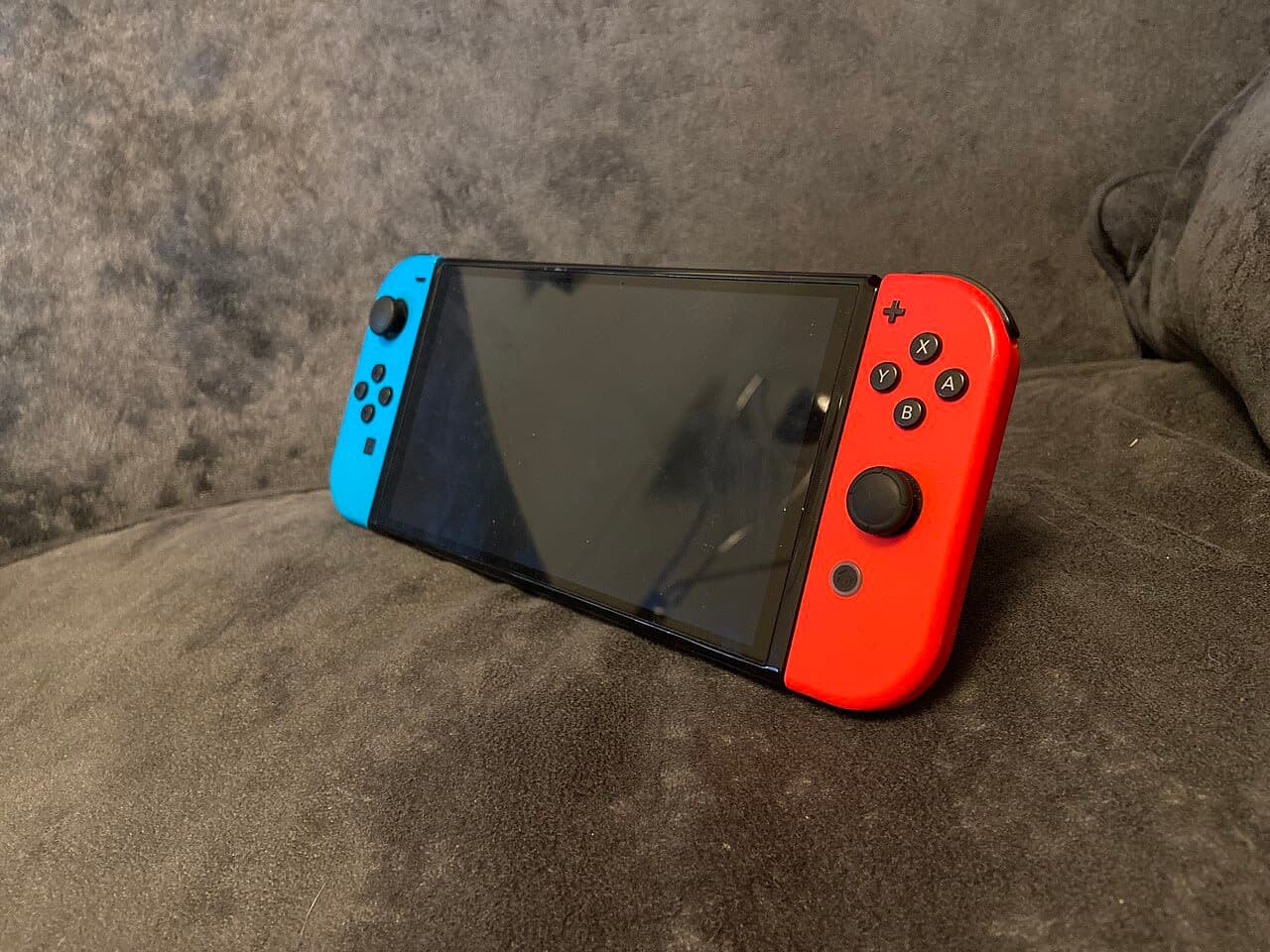
Nintendo Switch OLED vs Steam Deck: Two Different Philosophies of Portable Gaming
Two Completely Different Philosophies of Portable Gaming Comparing the Nintendo Switch OLED to the Steam Deck is a bit like comparing a great family SUV to a performance sports car. They both get you from Point A to Point B, but they're engineered for fundamentally different purposes, different users, and different priorities. After owning both for extended periods, I can tell you clearly which one wins — but the answer depends entirely on who you are. The short version: Nintendo Switch OLED if you want polished, portable, family-friendly gaming with exclusive Nintendo titles. Steam Deck if you're a PC gamer who wants your Steam library in your hands. They're not really competitors — they're products for different people who happen to sit in the same device category. Game Library: Nintendo's Exclusives vs Everything Else This is the central question, and it cuts both ways. The Nintendo Switch has games you cannot play anywhere else: The Legend of Zelda: Tears of the Kingdom, Super Mario Bros. Wonder, Pokémon Scarlet/Violet, Pikmin 4, Metroid Prime Remastered. These titles are genuinely excellent — some of them are among the best games made in the last decade — and they exist nowhere but Nintendo hardware. If the games you want to play are Nintendo exclusives, the choice is made for you. The Steam Deck plays your existing Steam library. If you already have hundreds of games in Steam (and many PC gamers do), the Steam Deck gives you access to most of them portably — essentially for free beyond the hardware cost. It also runs emulators that let you play games from older Nintendo consoles, Game Boy Advance, PS2, and beyond. The game library breadth advantage goes to Steam Deck by an enormous margin, but only if you already have games there to play. "The Steam Deck is an extraordinary value if you already own a Steam library. If you don't, you're buying hardware that requires building the library at the same time." Display: OLED vs LCD The Switch OLED's 7-inch OLED screen is beautiful — vibrant colors, deep blacks, excellent visibility in dim environments. It's genuinely one of the nicest handheld screens I've used. Resolution is 720p in handheld mode, which is fine for the screen size at typical handheld viewing distance. The Steam Deck's 7-inch LCD screen has higher resolution (1280×800 versus 1280×720) but noticeably less punchy colors and contrast compared to OLED. The screen is fine — it's not bad — but side by side with the Switch OLED, the Switch wins the display comparison easily. Portability: Switch Wins Clearly The Switch OLED weighs 0.93 pounds and fits in a large pocket. The Steam Deck weighs 1.47 pounds and does not fit in anything resembling a pocket. This might sound minor until you're trying to play for 30 minutes on a bus versus just putting the thing in your bag and forgetting it's there. The Switch is genuinely portable. The Steam Deck is portable in the sense that you can carry it — it's not something you toss in a jacket pocket. Both devices include cases in the box. The Steam Deck's case is better than the Switch's carrying case (which requires the dock to be packed separately for TV use). Performance: Steam Deck Is Significantly More Powerful The Steam Deck runs an AMD Zen 2 CPU and RDNA 2 GPU. The Switch runs an aging Nvidia Tegra X1 (or X1+ in OLED version). The Steam Deck can run modern PC games at medium-high settings. The Switch cannot, and Nintendo titles are optimized for the hardware rather than being graphically demanding. For graphical fidelity and raw computing power, Steam Deck wins by a large margin. The Steam Deck runs hotter and its fans are audible in quiet environments. The Switch is near-silent in handheld mode. Battery Life: Switch Wins Nintendo claims 4.5-9 hours for the Switch OLED (varies by game). Real-world experience: 5-7 hours on most titles, 3-4 hours on the most demanding ones. The Steam Deck's battery life is 2-8 hours, with real-world results of 2-4 hours on demanding games. For long travel, the Switch requires significantly less anxiety about battery. Value: Depends Heavily on Your Situation Nintendo Switch OLED: $350 for the console. Games cost $40-70 each new, or you can subscribe to Nintendo Switch Online + Expansion Pack ($50/year) for access to a library of older titles. Steam Deck 512GB OLED (the current top model): $549. But if you already own a Steam library, you're essentially unlocking games you've already paid for. If you have 200 games in Steam, the Steam Deck's value proposition is extraordinary. The Verdict Get the Nintendo Switch OLED if: You want to play Nintendo exclusives (Zelda, Mario, Pokémon), you want something the whole family can share, you value battery life and true portability, or you're buying for a child. Get the Steam Deck if: You're a PC gamer with an existing Steam library, you want access to indie games and emulation, graphical performance matters to you, or you want to run a wider variety of game genres. The Switch and Steam Deck are genuinely for different people. Choosing between them is less about which is "better" and more about which library and ecosystem serves your actual gaming habits. This article was written by the HonestyHive team to demonstrate the kind of honest, in-depth content we're building this platform for.
Read more